General Household Repair Kits:
DIY Repairs Made Easy!
Tackle common household fixes with confidence. From vinyl patches to screen repairs, these kits are perfect for quick and effective solutions when you need them most.
Safety & Risk Assessment
When tackling household repairs, understanding the associated risks is essential. Different tasks can range from simple fixes to more complex challenges. Here's a breakdown of the risk levels you might encounter.
Safe Repairs
- Replacing a light bulb
- Fixing a loose doorknob
- Tightening screws on furniture
- Changing air filters
- Applying adhesive patches on minor tears
- Using tape to mend small screen holes
Caution Required
- Repairing vinyl upholstery with color matching
- Using heat tools for leather fixes
- Rescreening windows with fiberglass mesh
- Patching larger holes in screens
- Applying adhesive compounds on complex materials
- Mixing repair compounds for a perfect match
Warning - High Risk
- Working with electrical wiring
- Fixing major plumbing issues
- Handling broken glass or sharp objects
- Repairing structural components of furniture
- Using heavy-duty tools without experience
- Attempting repairs on large appliances
Browse General Household Repair Kits
Get equipped for every household mishap. Explore our curated selection of repair kits tailored for various needs. Whether you're tackling vinyl tears or screen holes, we've got you covered.
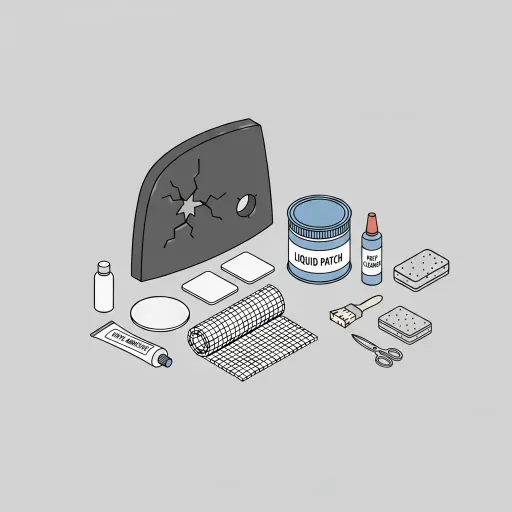
Vinyl Repair Kits
Fix tears in furniture, flooring, or auto interiors with ease. Discover the top vinyl repair kits of 2026, featuring both heat-set and air-dry solutions.
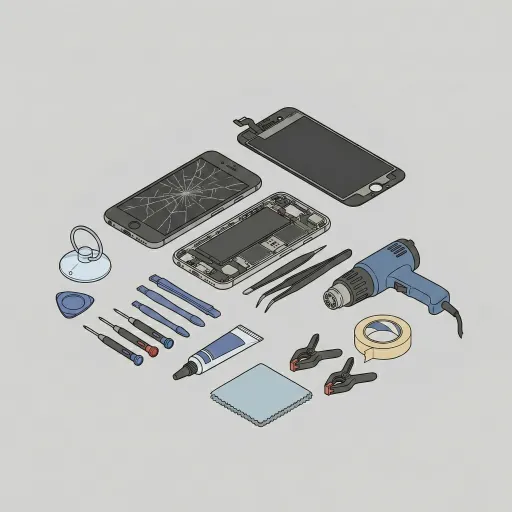
Screen Repair Kits
Repair holes in window and door screens effortlessly. Compare the best screen repair kits of 2026 for quick-apply mesh patches and complete replacement tools.
Stop: When DIY is Not an Option
Sometimes, DIY isn't the best route. Knowing when to call for help can save time and minimize mishaps. Let's dive into common scenarios where you might want to reconsider tackling repairs yourself.
Expert Consensus
Experts agree: while DIY can be rewarding, certain repairs require professional intervention. Assess the complexity and potential risks before you proceed.
When to Seek Help
- Severe Damage: If the damage is extensive, like deep tears or large holes, a pro can ensure a proper fix.
- Complex Repairs: For intricate tasks, like matching textures or colors, consider hiring an expert to avoid frustration.
- Safety Concerns: If repairs involve electrical components or structural elements, don't hesitate to call a qualified technician.
Signs You Shouldn't DIY
- Lack of Tools: If you don’t have the right tools or materials, the job may be more challenging than anticipated.
- Time Constraints: When you're short on time, a professional can save you from prolonged stress and delays.
- Inexperience: If you’re unsure about the process or lack experience, it’s wise to consult a professional.
Expectation Benchmark
When tackling household repairs, understanding what to expect is vital. Here's a quick glance at costs, time commitments, and durability for the repair kits you'll find here.
DIY kits generally range from $10 to $50, while hiring a pro can easily surpass $100. Opting for a kit can save you a significant amount.
Most repairs take about 30 to 60 minutes, depending on the kit and the complexity of the task. This timeframe allows for a focused, yet efficient effort.
Repairs can last anywhere from 1 to 3 years, based on usage and environmental factors. Quality kits tend to offer longer-lasting results, so choose wisely.
Category FAQ
What should I look for in a general household repair kit?
Focus on versatility and durability. Consider the types of repairs you’ll tackle, whether it’s vinyl, screen, or other materials.
Are vinyl repair kits difficult to use?
Some kits require skill, especially for color matching and texture blending. However, many options are straightforward and come with clear instructions.
How do screen repair kits work?
Screen repair kits typically include adhesive patches or mesh materials. You apply them over holes or tears, often using heat for a secure bond.
Can I use a vinyl repair kit on leather?
Yes, many vinyl repair kits work well on leather too. Just ensure you choose a kit that mentions leather compatibility in its description.
What’s the best way to maintain my repaired items?
Avoid excessive exposure to harsh elements. Regular cleaning and avoiding abrasive materials can help preserve the integrity of repairs.