Musical Instrument Repair Kits:
Tune Up Your Sound!
From guitars to woodwinds, you'll find the essentials for DIY repairs here. Tackle maintenance with confidence when you have the right tools at hand.
Safety & Risk Assessment
Repairing musical instruments can be straightforward, but risks do lurk. Understanding these risks helps you maintain your tools and avoid potential pitfalls. Here’s a quick overview of what to watch out for.
Safe Practices
- Using the right tools for the job.
- Regularly checking instrument strings for wear.
- Cleaning tools after each use.
- Storing instruments in a climate-controlled space.
- Following manufacturer guidelines for repairs.
- Performing routine maintenance on hardware.
Caution Advised
- Over-tightening screws or nuts.
- Using makeshift tools that may damage parts.
- Ignoring signs of wear on critical components.
- Attempting complex repairs without adequate knowledge.
- Neglecting to use protective gear during repairs.
- Forgetting to document adjustments made during setup.
Warning Signs
- Instrument produces unusual sounds post-repair.
- Parts are missing or not properly secured.
- Visible damage from previous repair attempts.
- Strings break frequently after adjustments.
- Unfamiliar with tool usage leading to accidents.
- Not consulting professional help when in doubt.
Browse Musical Instrument Repair Kits
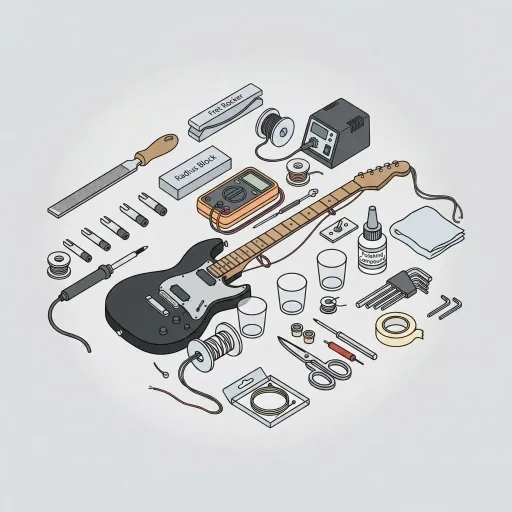
Looking to keep your musical instruments in tip-top shape? Check out these top guitar repair kits for 2026. They cater to various needs, from casual maintenance to professional setups. Let's dive right in.
Stop: When DIY is Not an Option
Not every repair is a DIY opportunity. Recognizing when to call in a pro can save you time and frustration. Here are key scenarios to consider.
Expert Consensus
Experts agree that some repairs require specialized knowledge or tools. If you're uncertain, it's best to consult a professional.
When to Seek Help
- Complex Repairs: If the issue involves intricate parts or electronics, professional assistance is advisable. A misstep could lead to further damage.
- Structural Damage: Cracks or major dents in the body of your instrument often need expert repair. DIY fixes might not restore sound quality.
- Warranty Concerns: If your instrument is still under warranty, attempting repairs might void it. Always check warranty terms before proceeding.
Signs of Trouble
- Unusual Sounds: A sudden change in sound quality can signal deeper issues. If you hear odd vibrations or buzzing, consult a pro.
- Frequent Issues: If you're constantly fixing the same problem, it's time to get a professional's diagnosis. Repeated repairs can indicate a larger concern.
- Lack of Tools: If you don't have the right tools for the job, don't risk it. Specialized tools can make a significant difference in repair quality.
Expectation Benchmark
When you consider a musical instrument repair kit, you should weigh a few key expectations. Here's what you need to know about cost, time, and durability.
DIY kits range from $20 to $100, while hiring a pro often costs at least $50 an hour. Choosing a kit can save you quite a bit of cash.
Most repairs take about 30 to 60 minutes, depending on the complexity. With practice, you might find your speed improves!
A good repair kit can last from 1 to 3 years, depending on how often you use it. Regular maintenance keeps everything in tip-top shape.
Category FAQ
What’s included in a typical guitar repair kit?
A standard guitar repair kit usually contains essential tools like wrenches, screwdrivers, and nut drivers. Some kits may also include gauges for setup adjustments, making it easier to maintain your instrument.
Are these kits suitable for beginners?
Absolutely! Many kits, like the Ernie Ball Musician’s Tool Kit, are designed with beginners in mind. They offer straightforward tools and instructions, allowing novices to perform basic setups and repairs.
How do I choose the right repair kit for my needs?
Consider your skill level and the type of repairs you plan to make. If you're a frequent player, a compact kit like the GrooveTech Guitar Player Tech Kit might be ideal for quick fixes. For more comprehensive setups, the MusicNomad KISS Starter Kit is a solid choice.
Can I use these kits for different types of guitars?
Yes, many guitar repair kits are versatile enough to accommodate various types of guitars, including electric, acoustic, and bass. Always check the product description to ensure compatibility.
What's the average price range for these kits?
Prices can vary widely depending on the kit's complexity and included tools. You can find basic kits starting around $20, while more comprehensive setups may cost upwards of $100.
How often should I perform maintenance on my guitar?
Regular maintenance depends on usage. If you play frequently, consider checking your guitar every few weeks. Even casual players should perform maintenance every couple of months to keep their instrument in top condition.