Wood & Furniture Repair Kits:
Revive Your Wood & Furniture!
Tackle scratches, dings, and even structural damage with these kits. DIY repairs are safe when you choose the right solution for your project.
Safety & Risk Assessment
Repairing wood and furniture can be straightforward, but some challenges lurk. Understanding the risk levels associated with different issues helps you choose the right repair kit and approach. Here's a breakdown of potential problems.
Minor Surface Issues
- Light scuffs on furniture surfaces
- Small scratches on cabinets
- Worn edges on doors
- Faded spots on tables
- Dings from everyday use
- Minor paint chipping
Moderate Damage
- Medium scratches on hardwood floors
- Small cracks in furniture joints
- Water stains on wood surfaces
- Loose trim or molding
- Discoloration from sunlight exposure
- Non-structural wood rot
Significant Structural Problems
- Severe wood rot affecting stability
- Large cracks in structural beams
- Extensive damage from pests
- Missing pieces of furniture
- Warped or buckled wood panels
- Deep gouges in flooring
Browse Wood & Furniture Repair Kits
Revitalize your wooden treasures with our carefully curated selection of repair kits. Whether you're tackling scratches or structural damage, these options will help restore your furniture to its pristine state. Let's explore the best choices for your wood and furniture repair needs.
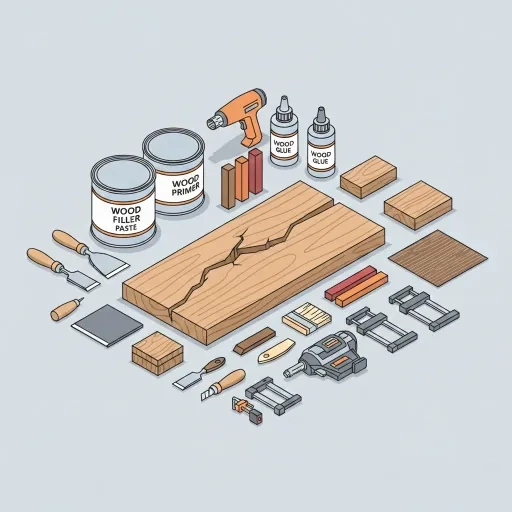
Wood Repair Kits
Fix gouges, holes, and rot with the 3 best wood repair kits of 2026. Compare heavy-duty fillers and moldable epoxies for any home or furniture project.
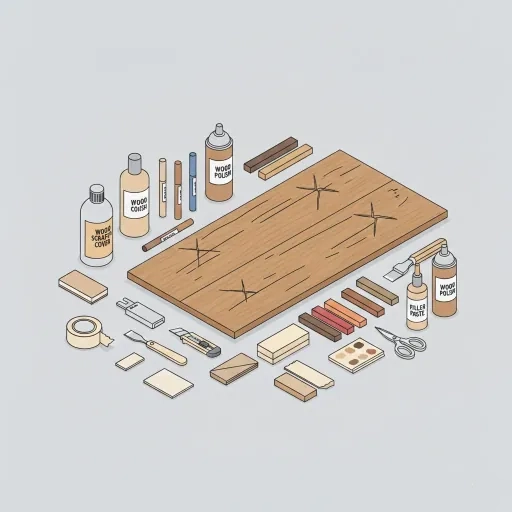
Wood Scratch Repair Kits
Remove scuffs from furniture and trim. Compare the 3 best wood scratch repair kits of 2026 featuring markers, wax sticks, and professional polishes.
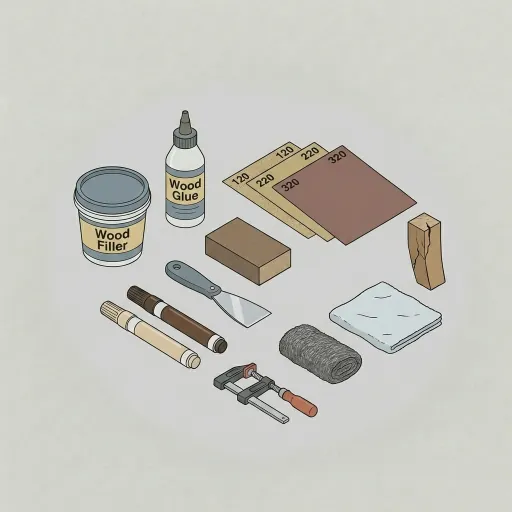
Wood Furniture Repair Kits
Restore tables and chairs with the 3 best wood furniture repair kits of 2026. Compare professional touch-up markers and high-quality wood fillers.
Stop: When DIY is Not an Option
Repairing wood and furniture can be satisfying, but not every situation calls for a DIY fix. Sometimes, it’s better to leave it to the pros.
Expert Consensus
Experts agree that while many repairs can be tackled at home, certain issues require professional intervention for safety and durability.
When to Call a Professional
- Extensive Damage: If the wood is severely rotted or structurally compromised, a professional can assess and replace it safely.
- Complex Repairs: Intricate repairs, especially those involving joints and structural integrity, often need expert skills to ensure stability.
- Time Constraints: When time is of the essence, hiring a professional can expedite the repair process, saving you from potential delays.
Signs of Too Much Damage
- Visible Mold: If mold appears, it indicates deeper issues that may require specialized treatment beyond standard repair kits.
- Soft Spots: Soft or spongy areas in the wood signify rot, which usually needs more than just a filler to fix effectively.
- Structural Issues: If the furniture is wobbling or unstable, professional evaluation is essential to prevent accidents.
Expectation Benchmark
When tackling wood and furniture repairs, understanding what to expect can save you both time and money. Here's a quick breakdown of costs, time investment, and durability for your DIY projects.
DIY kits typically range from $10 to $50, significantly less than pro labor costs, which can exceed $200. This means you save a bundle by opting for a DIY approach.
Most repairs can be completed in about 30 to 60 minutes, depending on the complexity. This quick turnaround makes DIY repairs a convenient option for busy schedules.
Repairs made with good kits can last anywhere from 1 to 3 years, depending on the kit and the care taken. This temporary solution can keep your furniture looking good until a more permanent fix is needed.
Category FAQ
What types of damage can wood and furniture repair kits fix?
These kits tackle a variety of issues, from scratches and dings to more severe rot and decay. They're designed to restore furniture and wooden surfaces, making them look fresh again.
Are wood repair kits easy to use?
Most kits are user-friendly, but some require mixing components or specific application techniques. For instance, epoxy kits can feel a bit technical at first, but once you get the hang of it, they work like a charm.
How long does it take for repairs to set?
Repair times vary by product. Some kits harden in just a few hours, while others may take longer. Always check the instructions to ensure optimal results.
Can I paint or stain over the repairs?
Yes, many kits allow for painting or staining once the repair is fully cured. This means you can blend the repaired area with the rest of your furniture seamlessly.
What should I consider when choosing a repair kit?
Think about the type of damage, the complexity of the repair, and your skill level. Kits range from simple touch-up markers to complex epoxy systems.
Are there any safety precautions I should take?
Always use gloves and work in a well-ventilated area when using repair kits, especially those containing chemicals. Safety first!